Insurance Resources
Car Hauler Insurance: Coverage and Cost Guide 2026
Get quotes from verified agents easily.
Key Takeaways
- Car hauler insurance commonly runs about $700 to $1,500 per month per truck, with higher pricing for new authorities, enclosed transport, and long-haul routes.
- Auto liability pays for damage you cause to others. Auto hauler cargo pays for the vehicles you haul. You need both.
- Federal rules set the minimum, but brokers and auctions commonly require $1 million in liability before they load you.
Car hauler insurance is a commercial trucking insurance package for businesses that haul vehicles for hire. It typically combines primary auto liability, auto hauler cargo for the vehicles you carry, and physical damage for your truck and trailer, plus the federal or state filings your authority requires.
You need it if you haul customer vehicles for a fee, from a single-car hotshot to a 10-car stinger. Dealers, body shops, and repair shops that move vehicles as part of their business may need it too. Personal auto policies typically exclude hauling for hire.
Car hauler insurance cost by rig size
Car hauler insurance commonly runs about $700 to $1,500 per month per truck in 2026, according to Insurify. Expect to pay more as a new authority, for enclosed transport, on long-haul routes, for higher-value vehicles, or with prior losses.
Car hauling costs more to insure than general freight because a single accident can involve several customer vehicles. Your quote depends on your rig value, the maximum value of a full load, your operating radius, driver records, and authority age.
| Rig type | Vehicle capacity | Typical cost direction |
|---|---|---|
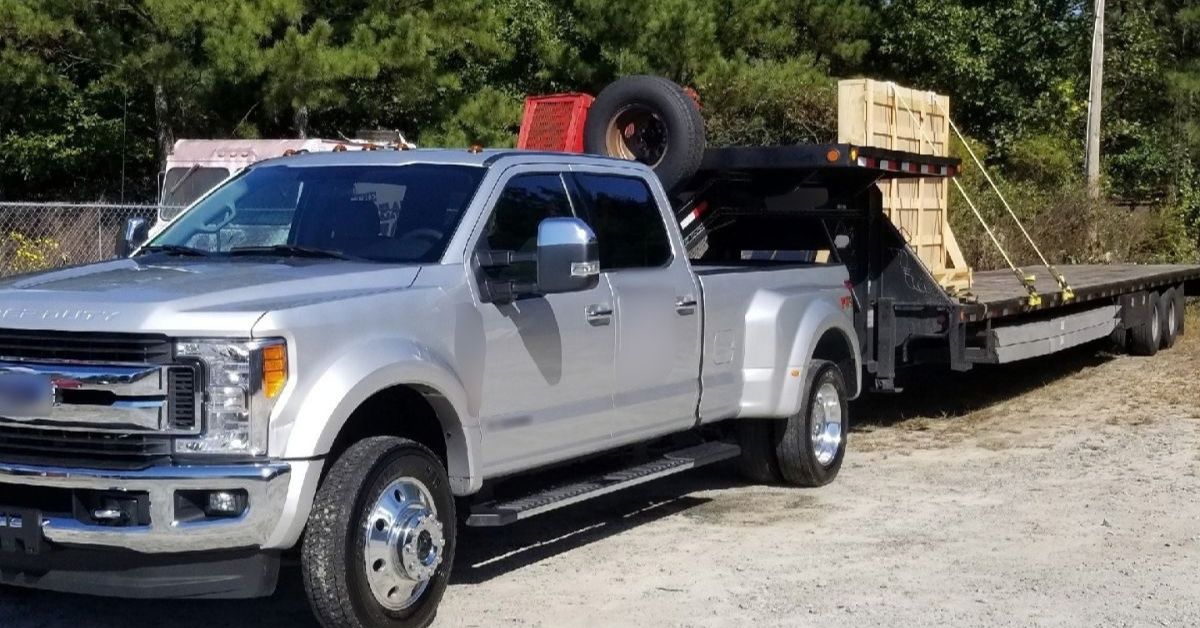
| Single-car hotshot | 1 vehicle | Usually the lowest cost, with lower equipment and cargo exposure. |
| 2 to 4 car wedge | 2 to 4 vehicles | Rises with dually and wedge value, multi-state miles, and full-load value. |
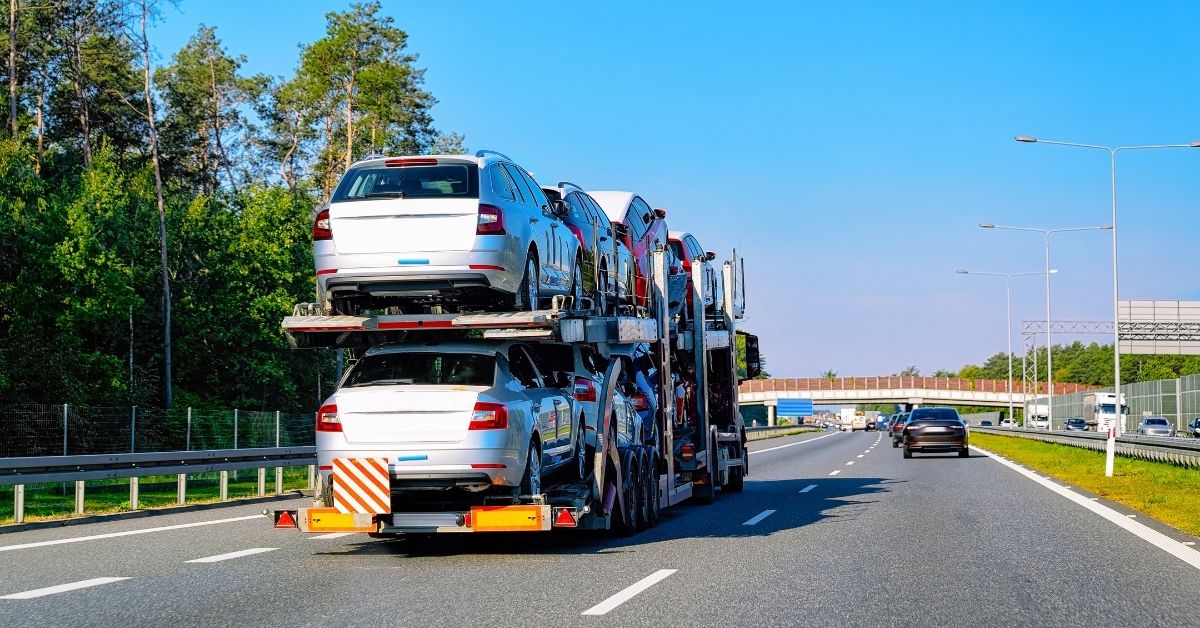
| 7 to 10 car stinger | 7 to 10 vehicles | Usually the highest cost, since more equipment and vehicles are exposed in one loss. |
| Enclosed hauler | Varies by trailer | Driven by trailer value and the luxury, collector, or specialty vehicles you haul. |
Compare Quotes Free
Connect with local agents to find the right coverage.
Request quotes in just 2 minutes.
Rig size is a starting point, not the price. A two-car enclosed trailer hauling exotic cars can need higher cargo limits than an open wedge hauling standard sedans.
These ranges help you budget, but your rig, routes, and full-load value set your real price. A side-by-side quote comparison is the only accurate number.
What insurance coverage do you need for car hauling?
You generally need six coverages: primary auto liability, auto hauler cargo, physical damage, trailer coverage, general liability, and workers’ compensation if you have employees.
| Coverage | What it pays for | What to check |
|---|---|---|
| Primary auto liability | Injury or property damage you cause to others with your truck | Limit amount and federal or state filings. It does not cover the vehicles you haul. |
| Auto hauler cargo (vehicle-in-transit) | Damage to or theft of customer vehicles in your care | Per-vehicle and per-load limits, loading and unloading, theft, and unattended vehicle rules |
| Physical damage | Collision, theft, fire, and other damage to your truck | Stated value and deductible |
| Trailer coverage | Damage to your owned or financed trailer | Trailer listed by VIN and value. Borrowed trailers need trailer interchange coverage. |
| General liability | Non-driving incidents, such as a customer injury at your yard | Loading, unloading, and care-custody-control exclusions |
| Workers’ compensation | Employee injuries required by state law | State rules. Owner-operators often use occupational accident coverage instead. |
Check two cargo limits, not one. Your per-vehicle limit must cover the most valuable car you accept, and your per-load limit must cover a full trailer damaged in one accident. A policy can have enough per-load coverage and still short-pay one high-value car.
Save more by comparing quotes from multiple insurance agents near you.
Easy, free and secure.
Trusted agents working with top national companies.
Federal, state, broker, and auction insurance requirements
Federal rules set the minimum for interstate haulers. Brokers, auctions, and some states require more.
- Federal minimum: For-hire carriers hauling non-hazardous property across state lines need at least $750,000 in liability, or $300,000 for vehicles under 10,001 lbs GVWR, under 49 CFR 387.9. Your insurer files proof with FMCSA on Form BMC-91 or BMC-91X. You can confirm the filing is active on FMCSA SAFER.
- MCS-90 endorsement: The MCS-90 attaches to your liability policy. It is not cargo coverage. It guarantees payment to the public up to the federal minimum, even when your policy would not cover the loss, and your insurer can then recover that payment from you.
- State requirements: Intrastate haulers follow state rules, which may set different liability limits or require filings such as Form E. Florida, for exmaple sets commercial vehicle insurance requirements by gross vehicle weight.
- Broker, dealer, and auction contracts: Contracts commonly require $1 million in liability, specific certificate wording, and cargo limits matched to a full load. Central Dispatch lists $1 million in auto liability among its carrier requirements.
Meeting the federal minimum does not mean a broker or auction will accept your coverage. If you need a higher limit, review the cost of $1 million liability insurance. Before you accept a load, have your agent confirm your filings and limits match every contract you sign.
Why new car haulers are difficult to insure
Fewer carriers write car haulers with no prior DOT or MC authority history. Without an operating record, underwriters have less proof of how you load, secure, and protect vehicles.
Expect the carrier to review:
- Your commercial driving and car-hauling experience, including loading and securement
- Each driver’s CDL status, motor vehicle record (MVR), age, and time on similar equipment
- Your operating radius and the states you run
- Your truck and trailer type, capacity, condition, and value
- The number, type, and maximum total value of vehicles per load
- Your maintenance, driver screening, and tie-down inspection procedures
- Loss runs (your claims history) from any prior trucking work, even under a different authority
This is where an experienced agent makes the difference. Agents who place car haulers can present your submission to carriers open to new authorities, instead of sending it to markets likely to decline.
Car hauler claim denials and coverage gaps
A carrier can deny or reduce a claim when the loss falls outside your disclosed operation, your cargo limits, or your policy conditions. These five gaps cause the most trouble:
- Unattended vehicles: Some cargo forms restrict theft coverage when a loaded rig or stored vehicle is left unattended. Check the parking, security, and reporting conditions.
- Inadequate tie-downs: If a vehicle shifts or falls because it wasn’t properly secured, the carrier may apply an exclusion. Keep securement procedures, inspection records, and pickup photos.
- Undisclosed operations: Auction work, salvage vehicles, enclosed transport, or a wider radius all change the risk. If they aren’t on your application, a related claim can be denied.
- Cargo limit shortfalls: One high-value car can exceed your per-vehicle limit even when your per-load limit is enough.
- Loading or unloading damage: Don’t assume cargo coverage applies while a vehicle is driven onto or off the trailer. Some forms include it; others restrict or exclude it.
Photograph every vehicle and tie-down at pickup and delivery. That record is your best defense in a disputed claim.
Most of these gaps surface only after a claim. A licensed agent can review your cargo form for them before your next load.
How to get and compare car hauling insurance quotes
Request quotes on the same limits, deductibles, and operating details, then compare coverage forms and exclusions before premium. A cheaper quote can leave out the cargo protection or filings your contracts require.
Send each agent the same submission:
- Legal business name, garaging address, and USDOT and MC numbers
- Authority status and age, or your planned start date for a new authority
- Rig type, vehicle capacity, VINs, values, and trailer details
- Operating radius and the states you run
- Maximum value per vehicle and for a fully loaded trailer
- Types of vehicles hauled, including salvage, luxury, electric, or inoperable vehicles
- Driver information, MVRs, experience, and prior loss runs
- Expected mileage, revenue, and local versus long-haul split
- Broker, auction, shipper, or dealer insurance requirements
Compare these items side by side:
| Quote item | What to verify |
|---|---|
| Auto liability | Limit, covered vehicles, radius, and filings |
| Auto hauler cargo | Per-vehicle limit, per-load limit, deductible, and whether vehicles are eligible cargo |
| Loading and unloading | Whether damage at each stage is included, limited, or excluded |
| Unattended vehicles | Security requirements and time or location restrictions |
| Tie-down losses | Required securement methods and related exclusions |
| Diminished value | Whether the form covers lost resale value after covered damage |
| Physical damage | Valuation basis, deductibles, and truck and trailer schedule |
| Territory and operations | States, radius, and business use shown on the quote |
| Payment terms | Down payment, installment fees, and cancellation terms |
If a quote summary doesn’t explain an exclusion, ask for the policy form. Confirm the final terms on your binder and issued policy.
Once your submission is ready, you don’t need to send it to carriers one by one. An Agency Height agent can compare multiple markets for you in one request.
Why get car hauler insurance through Agency Height
Agency Height connects car haulers with a network of more than 3,000 licensed agents. Instead of calling carriers one at a time, you work with agents who compare multiple markets, including specialty carriers that write auto transport.
- More options: Agents can shop standard and specialty markets for hotshot, multi-car, and enclosed operations.
- Coverage built around your load: Cargo limits matched to your most valuable vehicle and your fullest trailer.
- Contract-ready coverage: Liability limits and certificate wording aligned with your broker and auction requirements.
The right car hauler policy covers your fullest load, meets your broker and auction requirements, and pays when a claim hits. Don’t settle for the first quote or the cheapest one.
Compare car hauler insurance quotes through Agency Height’s network of more than 3,000 licensed agents, and find coverage built for how you haul.
Frequently Asked Questions
-
How much does car hauler insurance cost per month?
Most car haulers pay about $700 to $1,500 per month per truck. New authorities, enclosed transport, long-haul routes, and prior claims push pricing higher. Your actual quote depends on your rig, full-load value, radius, and driver records.
-
What do brokers and auctions require on my certificate of insurance?
Most require $1 million in auto liability, an active BMC-91 or BMC-91X filing with FMCSA, and cargo limits that match your maximum load value. Some facilities also require general liability with their business listed as an additional insured. Get each broker’s or auction’s requirements in writing before your first load.
-
Why does enclosed car hauling cost more to insure?
Enclosed haulers carry fewer vehicles, but those vehicles are usually worth more, such as exotics, classics, and luxury SUVs. A single theft or accident creates a larger loss, so carriers require higher per-vehicle cargo limits and tighter theft controls.
-
Am I liable for damage that was already on a vehicle at pickup?
Cargo coverage pays only for damage that happens while the vehicle is in your care. Without proof of the vehicle’s condition at pickup, you may end up disputing or paying for damage you didn’t cause. Photograph every vehicle and note existing damage on a signed condition report.
-
Does a car hauler trailer need separate insurance?
Yes, if you want the trailer itself covered. Your auto liability usually extends to an attached trailer, but damage to the trailer needs physical damage coverage with the trailer listed on the policy. Cargo coverage pays for the vehicles you haul, not your trailer.
Compare Quotes Free
Connect with local agents to find the right coverage.
Request quotes in just 2 minutes.
Table of Contents
- Car hauler insurance cost by rig size
- What insurance coverage do you need for car hauling?
- Federal, state, broker, and auction insurance requirements
- Why new car haulers are difficult to insure
- Car hauler claim denials and coverage gaps
- How to get and compare car hauling insurance quotes
- Why get car hauler insurance through Agency Height
- Frequently Asked Questions
- Car hauler insurance cost by rig size
- What insurance coverage do you need for car hauling?
- Federal, state, broker, and auction insurance requirements
- Why new car haulers are difficult to insure
- Car hauler claim denials and coverage gaps
- How to get and compare car hauling insurance quotes
- Why get car hauler insurance through Agency Height
- Frequently Asked Questions