Insurance Resources
Hot Shot Trucking Insurance (2026): Coverage & Cost Guide
Get quotes from verified agents easily.
Key Takeaways
- Hot shot insurance bundles liability, cargo, physical damage, and other coverages into one commercial package.
- For-hire interstate carriers hauling nonhazardous freight need at least $300,000 in liability under 10,001 lbs GVWR and $750,000 at 10,001 lbs or more.
- Median premiums are $896 per month for commercial auto and $32 for general liability, with cargo and physical damage costing extra
- If you lease onto a carrier, its policy may not cover your cargo, truck, or personal use, so check your lease.
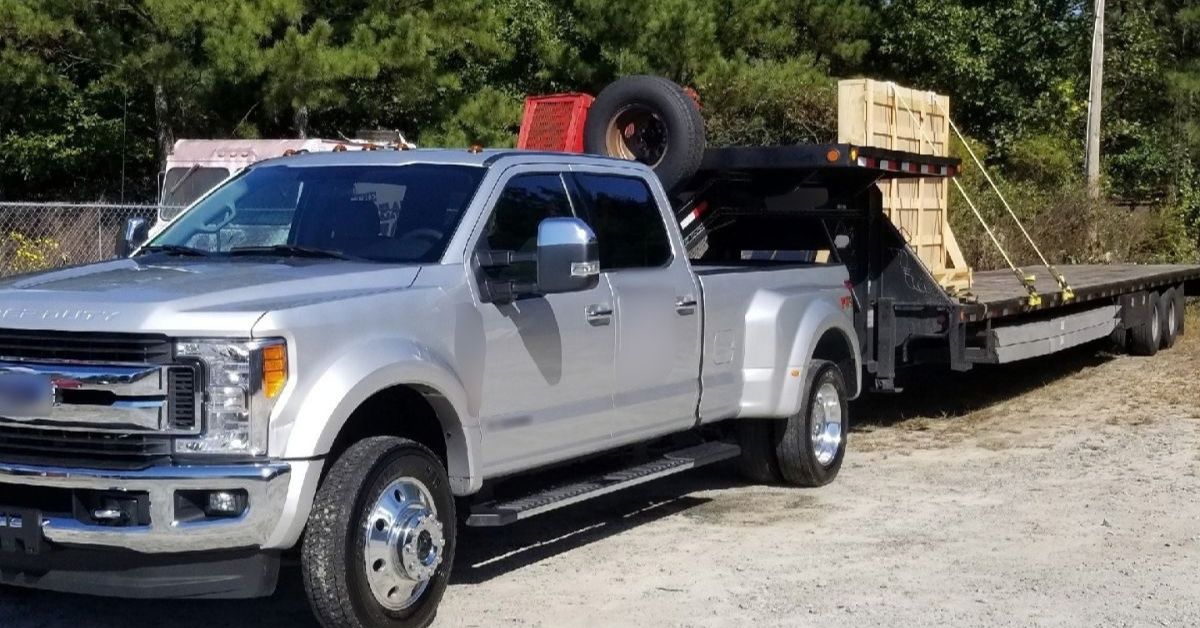
Hot shot trucking insurance is a package of commercial policies for owner-operators and small fleets that haul freight with a pickup or dually and a gooseneck or flatbed trailer. It covers liability claims, cargo loss, and equipment damage, and it must meet federal filing rules if you haul for hire across state lines.
You need your own policy if you haul for pay under your own authority or run a small fleet, since a personal auto policy is not built for commercial hauling. If you lease onto a motor carrier, the lease decides who provides cargo, physical damage, and non-trucking coverage, so confirm each item in writing.
Required vs. Recommended Hot Shot Insurance Coverage
Commercial auto liability is the one coverage you generally cannot operate without. Brokers, lenders, and lease agreements often require the rest, so what you carry depends on whether you run your own authority or lease on, what you finance, and what your freight contracts demand. The table shows how each coverage is typically treated.
| Coverage | Status | What it covers |
|---|---|---|
| Primary auto liabilityCoverage | Federal or state requirement | Injury and property damage you cause |
| Motor truck cargo | Often contract-required | Freight in your care |
| Physical damage | Lender-required or optional | Your pickup or dually |
| Trailer physical damage | Lender-required or optional | Gooseneck or flatbed damage |
| General liability | Often contract-required | Non-driving business claims |
| Non-trucking liability | Lease-dependent | Personal use off dispatch |
| Trailer interchange | Agreement-dependent | Nonowned trailers in your possession |
| Occupational accident | Lease-dependent or optional | Owner-operator injury benefits |
| Workers’ compensation | State and employee dependent | Employee work injuries |
| Uninsured motorist, medical payments | State requirement or option | Your injuries, uninsured drivers |
Compare Quotes Free
Connect with local agents to find the right coverage.
Request quotes in just 2 minutes.
Set your cargo limit to the highest-value load you expect to haul, and check exclusions for theft, unattended equipment, loading and unloading, and improper securement. Trailers are often scheduled separately from your truck, so confirm yours is listed. If you lease on, compare bobtail and non-trucking liability coverage before you sign.
The insured on your policy should be the entity that holds your authority. Match the business name to your vehicle registration, financing documents, and customer contracts.
FMCSA Requirements for Hot Shot Trucking
Federal rules apply when you haul for hire across state lines. FMCSA sets minimum public liability limits by vehicle weight and cargo, per its insurance filing requirements.
| Operation | Minimum liability |
|---|---|
| For-hire, nonhazardous, under 10,001 lbs GVWR | $300,000 |
| For-hire, nonhazardous, 10,001 lbs GVWR or more | $750,000 |
| Certain hazardous materials | $1,000,000 to $5,000,000 |
Your insurer files proof of this coverage with FMCSA on Form BMC-91 or BMC-91X. You do not file it yourself, and FMCSA will not activate your operating authority until the filing is on record.
The MCS-90 is an endorsement on your liability policy under 49 CFR Part 387. It guarantees payment of certain public liability judgments up to the federal minimum, even when the policy would not otherwise pay, and your insurer can then seek reimbursement from you. It does not cover your cargo or your own truck.
A Class A CDL is required when the combination’s GCWR is 26,001 pounds or more and the towed unit’s GVWR is over 10,000 pounds, per 49 CFR Part 383. A 2500-series badge does not decide it. Check your truck’s GVWR, your trailer’s GVWR, and the combined rating before you dispatch.
State-by-State Differences (Intrastate vs. Interstate)
Hot shot rates and rules vary by state because of liability climates, theft patterns, and weather losses. If you operate only within one state, that state sets your requirements, which can include separate authority or permits, different liability minimums, and state insurance filings.
A load that moves as part of a shipment from out of state can still count as interstate commerce, which triggers the federal rules above. Confirm your status with your state’s motor carrier agency before you haul.
How Much Does Hot Shot Insurance Cost?
Hot shot insurance costs vary widely because every operation is rated on its own equipment, cargo, routes, and drivers, so no single number fits every driver. The most useful public benchmark comes from Insureon’s published data, which reports the median cost of policies for hot shot businesses that apply for quotes through its platform.
| Coverage | Median per month | Median per year |
|---|---|---|
| Commercial auto | $896 | $10,757 |
| General liability | $32 | $388 |
Use these as planning benchmarks, not quotes. They exclude motor truck cargo, physical damage, and non-trucking liability, which are priced on top. To estimate your own range, use our trucking insurance calculator.
Save more by comparing quotes from multiple insurance agents near you.
Easy, free and secure.
Trusted agents working with top national companies.
What Drives Your Hot Shot Insurance Premium
Insurers build your premium from your equipment, freight, routes, and drivers. Each factor below can move your quote.
Your truck and trailer. Higher values and heavier trailer types, such as gooseneck or flatbed, raise physical damage and liability pricing.
Your cargo. Theft-prone or high-value freight costs more, and your limit should match your most valuable load.
Where and how often you drive. Longer radius, higher mileage, and your garaging state all change your exposure and claim costs.
Driving record and claims history. Violations, at-fault accidents, and past claims raise your rate for every listed driver.
Authority age and USDOT safety rating. New authorities have fewer carrier options, and your safety rating can move your price significantly.
Limits and deductibles. Higher limits cost more and higher deductibles lower your premium, but cutting limits can leave you below contract requirements.
Optional coverages. Physical damage, comprehensive, and additional insured endorsements each add cost, so keep what contracts and lenders require.
Employees and fleet size. More trucks and drivers raise your premium, and workers’ compensation depends on headcount and injury risk.
How to Get Affordable Hot Shot Insurance?
The best way to lower your premium is to compare several quotes built on the same limits, deductibles, vehicles, drivers, and operating details. A cheaper quote may reflect a higher deductible, narrower cargo terms, or a different truck value.
- Submit a complete file-Accurate values, radius, cargo, driver records, loss runs, and authority date prevent delays and quotes that change before binding.
- Ask about premium reducers. Options may include a higher deductible, telematics, documented safety procedures, and annual payment. Choose a deductible your business could pay after a loss.
- Reach more than one market. An independent agent can submit your account to several carriers at once, and Agency Height connects you with licensed agents who do exactly that.
Vet the carrier. Confirm its license through your state insurance department, and review its AM Best financial strength rating and complaint record.
Common Hot Shot Insurance Mistakes to Avoid
Many hot shot insurance problems only surface after a loss, when it is too late to fix a gap. These are the mistakes to avoid before you buy or renew.
- Assuming the carrier’s policy covers everything. Leased-on drivers often discover gaps in cargo, physical damage, or personal-use coverage after a loss.
- Treating an FMCSA filing as full protection. The MCS-90 and BMC filings address public liability only, not your cargo or truck.
- Setting cargo limits too low. A single high-value load can exceed your limit, and exclusions for unattended equipment or securement can limit a claim.
- Misstating your operation. Inaccurate radius, cargo, or driver details on an application can lead to a denied claim or a cancelled policy.
- Skipping the weight-rating check. Truck, trailer, and combined ratings decide your federal liability limit and CDL requirement.
- Choosing on price alone. The lowest quote helps only if the limits, filings, and exclusions fit your contracts.
Information Required to Request Hot Shot Insurance Quotes
Agents and underwriters price what they can verify. Incomplete or inconsistent details slow underwriting and can produce a quote that changes before you bind. Gather the items below before you ask for quotes, and give every agent the same information so the quotes are comparable.
- Authority: USDOT and MC numbers, authority date
- Drivers: Licenses, experience, violations
- Vehicles: VINs, GVWR, value, ownership
- Trailers: Type, VIN, GVWR, value
- Cargo: Commodities and maximum load value
- Operation: Typical mileage, radius, states traveled
- Loss history: Recent loss runs and claim details
- Contracts: Broker or shipper insurance requirements
- Current policy: Declarations page, limits, expiration date
Why Get Hot Shot Insurance Through Agency Height
Hot shot insurance works when the coverage fits your authority, equipment, cargo, and contracts, and when you have seen more than one carrier’s offer. You now know which coverages are required, which federal rules apply, and what drives your price. The next step is to put real quotes side by side.
Share your operation details once with Agency Height’s network of more than 3,000 licensed agents, and compare hot shot trucking insurance options built around your truck, trailer, and loads.
You can also browse the Agency Height agent directory to find a licensed agent who writes commercial trucking.
Frequently Asked Questions
-
What insurance is needed for hot shot trucking?
You need commercial auto liability that meets the federal or state rules for your operation. For interstate, for-hire hauling of nonhazardous freight, the federal minimum is $300,000 under 10,001 lbs GVWR and $750,000 at 10,001 lbs or more. Brokers, shippers, lenders, or leases may also require cargo, physical damage, general liability, or non-trucking liability.
-
How much is hot shot insurance per month?
Hot shot trucking on average costs $896 per month for commercial auto and $32 per month for general liability. Cargo, physical damage, and non-trucking liability cost extra. Your driving record, authority age, equipment, radius, cargo, and loss history set your final price.
-
How much does $1 million in liability insurance cost?
There is no flat price for a $1 million limit. A carrier rates your drivers, equipment, routes, cargo, authority history, and prior losses before it sets the premium. The $896 median above is a planning benchmark, not a quote for that limit.
-
Can you use a 2500-series pickup for hot shot trucking?
Yes, if its payload, axle, towing, and combined weight ratings support your truck, trailer, and cargo, and an insurer will cover that setup for commercial hauling. Check all ratings before you accept loads, because the combined ratings also determine whether you need a Class A CDL.
Compare Quotes Free
Connect with local agents to find the right coverage.
Request quotes in just 2 minutes.
Table of Contents
- Required vs. Recommended Hot Shot Insurance Coverage
- FMCSA Requirements for Hot Shot Trucking
- State-by-State Differences (Intrastate vs. Interstate)
- How Much Does Hot Shot Insurance Cost?
- What Drives Your Hot Shot Insurance Premium
- How to Get Affordable Hot Shot Insurance?
- Common Hot Shot Insurance Mistakes to Avoid
- Information Required to Request Hot Shot Insurance Quotes
- Why Get Hot Shot Insurance Through Agency Height
- Frequently Asked Questions
- Required vs. Recommended Hot Shot Insurance Coverage
- FMCSA Requirements for Hot Shot Trucking
- State-by-State Differences (Intrastate vs. Interstate)
- How Much Does Hot Shot Insurance Cost?
- What Drives Your Hot Shot Insurance Premium
- How to Get Affordable Hot Shot Insurance?
- Common Hot Shot Insurance Mistakes to Avoid
- Information Required to Request Hot Shot Insurance Quotes
- Why Get Hot Shot Insurance Through Agency Height
- Frequently Asked Questions